We're building the world's most loved, trusted and connected restaurant brands in partnership with the best franchise operators in the business.
Approximately
1,500
franchisees
Operating
44,000+
restaurants
In
151
countries & territories


Careers
Be your best self at Yum!

Investors
Check out our latest earnings release
Our Three Iconic Brands


Trending Yum! News

<p><!-- Nai De León -->
<style>
.modal-xl {
min-width: 100%!important;
max-width: 100%!important;
margin: 10px!important;
}
</style>
<div class="row">
<section class="col-12 text-center">
<a href="" data-bs-toggle="modal" data-bs-target="#naiModal" data-toggle="modal" data-target="#naiModal"><img src="/wps/wcm/connect/yumbrands/7e932ba2-208a-4701-97bc-672d1e886274/Nai-De-Leon_Thumbnail_F.png?MOD=AJPERES&CACHEID=ROOTWORKSPACE.Z18_4OK424423PQ520667RKLCR3157-7e932ba2-208a-4701-97bc-672d1e886274-q5FHwc4" alt="How I Got Here - Nai De León" class="col-12" /></a>
<p><a href="" data-bs-toggle="modal" data-bs-target="#naiModal" data-toggle="modal" data-target="#naiModal">Click on image to view</a></p>
</section>
</div>
<div class="modal" id="naiModal" tabindex="-1" aria-labelledby="naiModalLabel" aria-hidden="true">
<div class="modal-dialog modal-xl">
<div class="modal-content">
<div class="modal-header">
<h5 class="modal-title" id="naiModalLabel">How I Got Here: Nai De León</h5>
<button type="button" class="close" data-bs-dismiss="modal" data-dismiss="modal" aria-label="Close">
<span aria-hidden="true">×</span>
</button>
</div>
<div class="modal-body">
<div class="vev-content">
<script src="https://embed.vev.page/v1/BEGQSkvnX-/pY-yyA6FHTh?containerMode=true&target=.vev-content"></script>
</div>
</div>
</div>
</div>
</div></p>

Yum! Brands
A career that gives this Yum! senior comms analyst room to stretch — and sweat
X Minute read
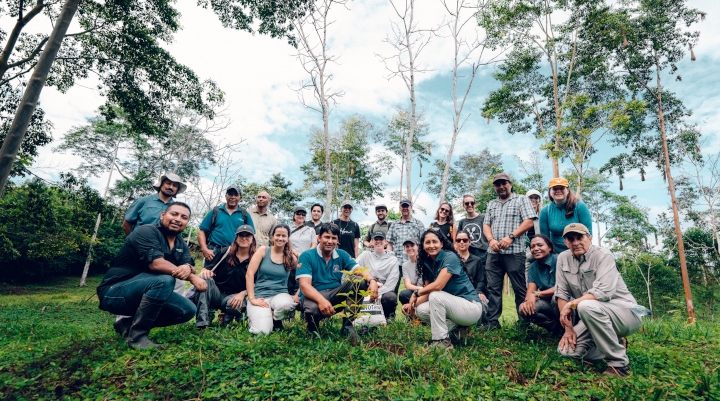
<p>When people hear the words "sustainable palm oil," they often think about rainforests, wildlife and the climate. Those issues are important, and they were certainly on my mind as I joined Yum’s global oils category lead and traveled to Ecuador with the global nonprofit environmental organization Conservation International, the Roundtable on Sustainable Palm Oil (RSPO) and other industry partners to visit a supplier, palm oil farms, and producers.</p>
<p>But there’s another factor in making palm oil sustainable, and it’s one that’s central to Yum! Brands’ culture: people. After spending time with farmers, suppliers and local partners, I was fully reminded that sustainability isn't just about protecting forests. It's also about the people growing our food, the partnerships that further responsible sourcing efforts and the choices we make today to build a stronger supply chain for the future.</p>
<p>Responsible sourcing has been a priority at Yum! for years. Through our work on commodities like palm oil and soy, we help further the protection of forests, respect for human rights and a better understanding of where our ingredients come from, helping to ensure we have resilient supply chains needed to support our restaurants and business in the long term.</p>
<p><img src="/wps/wcm/connect/yumbrands/fe36a273-8521-4ec9-bae3-01ff91e80add/1/Dia1_RSPO_EB-27.jpg?MOD=AJPERES" alt="" width="480" title="" style="display: block; margin-left: auto; margin-right: auto;" /></p>
<p>In late 2025, Yum! and KFC launched a collaboration with Conservation International to strengthen agricultural supply chains for palm oil and soy in Ecuador and Brazil. In critical places like the Amazon rainforest and Cerrado grasslands, we are supporting farming communities and helping protect the landscapes they depend on. Visiting Ecuador gave me the opportunity to see what that work looks like on the ground.</p>
<p><b>How palm oil is produced sustainably</b></p>
<p>One of the highlights of the trip was visiting a RSPO-certified palm farm and processing mill. Walking through the farm and seeing the mill in action gave me greater appreciation for everything that happens before an ingredient like palm oil ever reaches one of our restaurants.</p>
<p>Palm oil is one of the world's most widely used cooking oils because it's incredibly efficient, producing more oil on less land than crops like soy, canola or sunflower. Plus, oil palm trees produce fruit three to four years after planting and can remain productive for 30 years. But like many agricultural products, how it's produced matters. Poorly managed production can contribute to deforestation and biodiversity loss, making responsible farming practices essential.</p>
<p><img src="/wps/wcm/connect/yumbrands/fe36a273-8521-4ec9-bae3-01ff91e80add/2/Dia3_RSPO_EB-25.jpg?MOD=AJPERES" alt="" width="480" title="" style="display: block; margin-left: auto; margin-right: auto;" /></p>
<p>What stood out to me about this particular Ecuadorian farm was its people and processes. Workers hand-harvest ripe fresh fruit bunches with sickle-shaped blades to handpick the fruit from trees. They’d cut down heavy fruit bunches weighing as much as 50 lbs.! The fruit was then transported to a mill within 24 hours to ensure the quality of the oil. Once in the mill, the fruit was steam sterilized to stop enzymes from degrading the oil and then machinery took over from there – stripping the fruit, pressing them to release crude oil (eventually refined and used by KFC for cooking) and cracking the remaining nuts to obtain kernel oil (typically used for cosmetics).</p>
<p>RSPO guidelines have outlined agricultural practices to help farms like this Ecuadorian one, produce profitable crops while protecting forests and critical habitat.</p>
<p>Farmers, suppliers, certification organizations, procurement teams and companies like Yum! all have a part to play in this production. The more we understand where our ingredients come from and how they're produced, the better decisions we can make together that ultimately strengthen our supply chain and broader business.</p>
<p><b>Supporting farmers strengthens sustainability</b></p>
<p><b><img src="/wps/wcm/connect/yumbrands/fe36a273-8521-4ec9-bae3-01ff91e80add/3/Dia2_RSPO_EB-29.jpg?MOD=AJPERES" alt="" width="620" title="" style="display: block; margin-left: auto; margin-right: auto;" /></b>The most meaningful part of my visit was meeting the smallholder farmers who own palm farms. Listening to their stories gave me a deeper appreciation for the challenges they face every day. The average smallholder, which is a farmer who owns or rents a small plot of land, in Ecuador grows nearly 100 acres of oil palm trees. They're working to provide for their families while managing small businesses and adapting to changing expectations around sustainability like evolving farming practices or required government certifications. Many don't have the same resources or technical expertise as larger organizations, yet they're committed to improving their practices.</p>
<p>One key way to encourage responsible farming and better protect natural resources is through certification programs. But earning and maintaining those certifications takes time, investment and detailed documentation. While certifications play a key role in setting expectations and protecting the environment, farmers need support to meet them.</p>
<p>That's one reason KFC's partnership with Conservation International focuses on working alongside producers, suppliers and local communities. Through knowledge sharing and stronger local partnerships, farmers can succeed while supporting healthier landscapes for the future.</p>
<p><b>Why responsible sourcing matters</b></p>
<p><img src="/wps/wcm/connect/yumbrands/fe36a273-8521-4ec9-bae3-01ff91e80add/4/Dia2_RSPO_EB-57.jpg?MOD=AJPERES" alt="" width="620" title="" style="display: block; margin-left: auto; margin-right: auto;" /></p>
<p>One lesson became clear throughout the trip. By helping farmers adopt more responsible agricultural practices, we can support greater productivity on existing farmland, help protect habitats and strengthen the resilience of our supply chain.</p>
<p>With a greater output, we’re better equipped to withstand challenges like changing weather, shifting markets and growing demand. Those benefits extend well beyond palm oil and include soy and other commodities to promote more sustainable sourcing across commodities.</p>
<p>I’ve always believed that businesses and the environment have a symbiotic relationship, and I left Ecuador with an even stronger opinion that sustainability is about protecting the planet and its people. It's about supporting farmers, protecting natural resources and building partnerships that strengthen communities while creating a more resilient supply chain. Those are investments that benefit everyone, from the people growing our food to the customers we serve.</p>
<p>Hope to see you at a KFC soon, enjoying delicious fried chicken and knowing that we’re taking steps to source ingredients more responsibly.</p>